
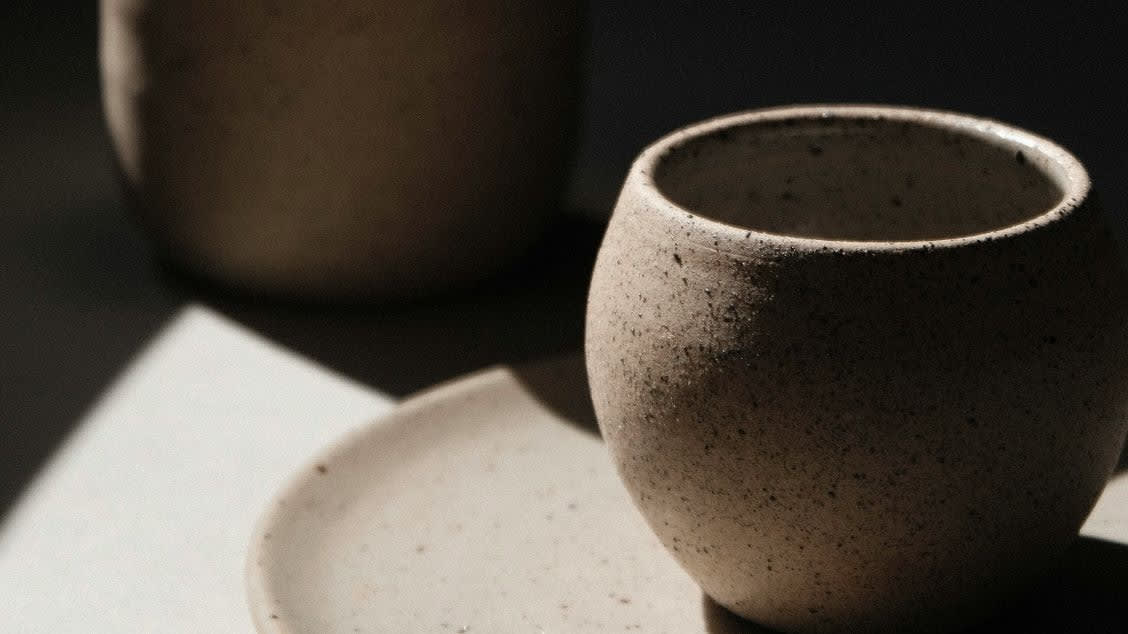
¹ The word which came to Jeremiah from the Lord, saying: ² “Arise and go down to the potter’s house, and there I will cause you to hear My words.” ³ Then I went down to the potter’s house, and there he was, making something on the wheel. ⁴ And the vessel that he made of clay was marred in the hand of the potter; so he made it again into another vessel, as it seemed good to the potter to make. ⁵ Then the word of the Lord came to me, saying: ⁶ “O house of Israel, can I not do with you as this potter?” says the Lord. “Look, as the clay is in the potter’s hand, so are you in My hand, O house of Israel!”
The story of the "Potter’s House" is one of the most profound metaphors in Holy Scripture, illustrating the relationship between God and His people and proclaiming His divine sovereignty.
The Wheel vs. The Hand
Jeremiah observes the potter working at the wheel. The wheel represents time, circumstances, and the spinning events of life. However, the clay is not at the mercy of the wheel (coincidence or fate); it is under the mercy of the Potter’s hand. This reassures us that our lives are not hostages to the harsh circumstances spinning around us; we are held by a Hand that knows exactly when to apply pressure and when to ease it.
The Marred Vessel
The text notes: "The vessel... was marred in the hand of the potter." It is striking that the vessel became flawed while still in the Potter’s care. This suggests that being close to God does not exempt us from the "marring" caused by our human nature or resistance. Yet, the beauty lies here: the Potter did not discard the clay because it was flawed. He did not throw away the "broken pieces"; He reshaped them.
"As It Seemed Good to the Potter"
This phrase is the essence of spiritual surrender. We often cling to our own image of ourselves, but the Potter sees a higher purpose. The process of reshaping can be painful because it requires "breaking" the old form. However, true beauty is not found in what we see, but in what the Creator sees—He who knows the exact purpose for which we were made.
Divine Sovereignty and Human Will
The Lord asks, "Can I not do with you as this potter?" While God possesses absolute power, He respects human will. When we surrender our pride, we become soft clay in the hands of the Great Potter, ready to be taught, disciplined, and led to true repentance—becoming vessels of honor, useful to the Master.
A New Beginning
The failure of the first vessel was not the end; it was the starting point for the second, "better" vessel. Sometimes, our failure in one stage of life is the raw material God uses to craft our success in the next. He never gives up on us; He continues to work on our vessels so that we may be conformed to the image of His Son.
Will we accept the transformation? Let us remember that we are not discarded clay; we are a masterpiece in progress. Even in moments where we feel "marred" or shattered, remember: you are still in His hand, and He is not finished with you yet.
A Closing Prayer O Great Potter, I am but clay in Your hands. Return and reshape me into another vessel, according to what is good in Your eyes. Amen.
Iman Karras